


Beginner's Guide to Starting Your Vintage Clothing Collection

Have you ever wandered into a vintage shop and felt completely overwhelmed by the racks of beautiful, mysterious garments? Maybe you've admired someone's perfectly curated retro outfit and wondered how on earth they put it together? Or perhaps you're simply tired of fast fashion and want to build a wardrobe that tells a story?
Starting a vintage clothing collection might seem daunting at first. With so many eras, styles, and pieces to choose from, it's easy to feel lost before you've even begun. But here's the good news: building a vintage wardrobe doesn't require expert knowledge or a massive budget. It simply takes a bit of patience, some basic know-how, and a willingness to explore.
In this guide, we'll walk you through everything you need to know about starting your vintage clothing journey. From understanding what actually counts as vintage to finding the best vintage clothing stores in Melbourne, we've got you covered. You'll learn how to spot quality pieces, avoid common mistakes, and care for your treasures so they last for years to come. Whether you're after a statement 1970s maxi dress or a classic 1950s leather jacket, this guide will set you on the right path.

What is Vintage Clothing and Why is it Worth Collecting?
Understanding the Difference Between Vintage, Retro, and Secondhand
Let's clear up some confusion straight away. The terms vintage, retro, and secondhand get thrown around a lot, but they actually mean different things. True vintage clothing is typically at least 20 years old, with many collectors focusing on pieces from the 1920s through to the 1980s. Retro, on the other hand, refers to newer items designed to look like they're from a past era. Secondhand simply means pre-owned, regardless of age or style.
Knowing these distinctions helps when you're shopping. A genuine 1960s mini dress is vintage, while a modern dress inspired by that era is retro. Both have their place, but understanding what you're buying ensures you pay a fair price.
The Benefits of Building a Vintage Wardrobe
So why bother with vintage at all? For starters, vintage pieces offer quality that's often hard to find in modern clothing. Many older garments were made with superior fabrics and construction techniques. Plus, wearing vintage means you'll rarely turn up to an event wearing the same outfit as someone else.
There's also the sustainability angle. By choosing pre-loved clothing, you're keeping perfectly good garments out of landfill. It's fashion that feels good in more ways than one.
How Do I Start a Vintage Clothing Collection?
Defining Your Personal Style and Era Preferences
Before you start buying, take some time to work out what you actually love. Do you gravitate towards the bold prints of the 1970s? Maybe the elegant silhouettes of the 1950s speak to you? Browse Pinterest, watch classic films, or flip through fashion history books to identify what catches your eye.
Having a focus makes shopping much easier. You won't be tempted by every pretty piece you see, and your collection will feel cohesive rather than random.
Setting a Realistic Budget for Beginners
Vintage clothing ranges from bargain prices to serious investments. As a beginner, set a realistic budget and stick to it. Start small with affordable pieces while you learn the ropes. Markets and op shops often offer great finds for under.
Remember, expensive doesn't always mean better. Some of the best vintage discoveries happen when you least expect them, often at very reasonable prices.
Essential Pieces Every Vintage Collection Needs
Every solid vintage wardrobe benefits from a few key pieces. Consider starting with:
- A versatile blazer or jacket
- A classic handbag
- High-waisted trousers or jeans
- A statement dress
- Quality accessories like scarves or brooches
These foundations work with modern pieces and give you flexibility while you build your collection.

Where to Find the Best Vintage Clothing Stores in Melbourne
Top Vintage Clothing Stores in Melbourne CBD
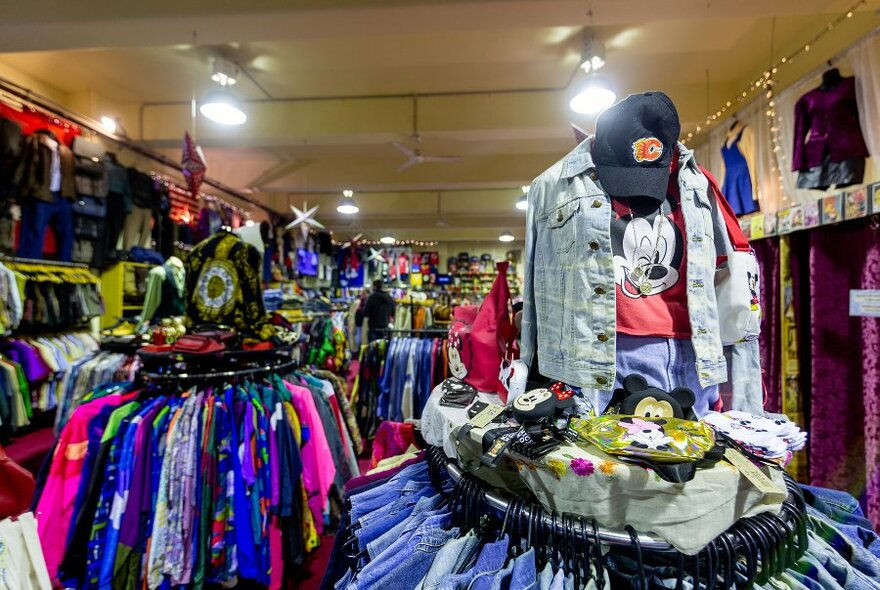
Melbourne is an absolute goldmine for vintage lovers. The CBD alone offers numerous fantastic options. Chapel Street hosts several well-curated stores with excellent selections spanning multiple decades. Many of these shops specialise in particular eras, so do your research before visiting.
The city's vintage scene caters to all budgets too. You'll find high-end designer vintage alongside more affordable options, all within walking distance of each other.
Hidden Gems in Fitzroy, Collingwood, and Brunswick
Venture beyond the CBD for some truly special finds. Fitzroy and Collingwood are packed with eclectic vintage clothing stores Melbourne locals have loved for years. These neighbourhoods attract creative types, and the shops reflect that artistic energy.
Brunswick offers a more relaxed vibe with stores that often have lower prices than their inner-city counterparts. Spend a Saturday afternoon wandering Sydney Road and you're bound to discover something special.
Melbourne Vintage Markets and Pop-Up Events Worth Visiting
Markets offer a different experience altogether. Melbourne hosts regular vintage markets where multiple sellers gather under one roof. The Rose Street Artists' Market and Camberwell Sunday Market are excellent starting points.
Keep an eye on social media for pop-up events too. These temporary sales often feature carefully curated collections at competitive prices.
What Should I Look for When Buying Vintage Clothing?
How to Check Quality and Authenticity
Always examine pieces thoroughly before purchasing. Check seams for strength, look for any stains or damage, and inspect zippers and buttons. Hold fabric up to the light to spot thin patches or holes.
Authentic vintage often has specific markers: metal zippers instead of plastic, union labels in American pieces, or specific brand tags from certain eras. Ask sellers questions—reputable shops will happily share information about their stock.
Understanding Vintage Sizing and Fit
Here's something crucial: vintage sizing runs completely differently to modern sizing. A size 12 from the 1960s might fit like a modern size 8. Never rely on labels alone. Instead, take your measurements with you and ask to try things on.
Many vintage shops display measurements rather than sizes for this exact reason. Getting familiar with your own measurements in centimetres makes shopping much smoother.
Spotting Red Flags and Avoiding Common Mistakes
Watch out for items priced way below market value—they might have hidden damage. Be cautious of strong odours that won't wash out, and avoid pieces with extensive repairs unless you're skilled at alterations.
Common beginner mistakes include buying items that don't fit properly or purchasing pieces that don't work with anything else in your wardrobe. Stay focused on your style goals and don't get swept up in impulse buys.
How Do You Care for Vintage Clothing?
Washing, Storing, and Preserving Delicate Pieces
Proper care extends the life of vintage clothing significantly. Many older garments require hand washing or dry cleaning. Always check fabric content and when in doubt, opt for gentle methods.
Store vintage pieces away from direct sunlight to prevent fading. Use padded hangers for delicate items and fold knitwear to prevent stretching. Keep moths at bay with cedar blocks or lavender sachets.
Basic Repairs and Alterations for Beginners
Learning basic sewing skills proves invaluable for vintage collectors. Simple tasks like replacing buttons, fixing small tears, or adjusting hems can save pieces that might otherwise be unwearable.
For more complex alterations, find a tailor experienced with vintage clothing. They'll understand how older fabrics behave and can make adjustments without compromising the garment's integrity.
How Much Should You Spend on Vintage Clothing?
What Makes Vintage Pieces Valuable?
Several factors influence vintage pricing: brand name, condition, rarity, and era all play roles. Designer pieces from iconic fashion houses command premium prices, as do items in exceptional condition.
That said, value is subjective. A piece that perfectly fits your style and wardrobe might be worth more to you than its market price suggests.
Budget-Friendly Tips for New Collectors in Australia
Building a vintage collection doesn't require deep pockets. Op shops and charity stores often have vintage pieces priced as regular secondhand clothing. Timing matters too—visit shops regularly, as stock changes frequently.
Online marketplaces can offer bargains, but always factor in shipping costs and return policies. Local markets typically provide better value than trendy boutiques when you're starting out.
Building Your Collection Over Time
Creating a Cohesive Vintage Wardrobe
A thoughtful collection develops gradually. Rather than grabbing everything that catches your eye, consider how each new piece fits with what you already own. Build around a colour palette or specific era to create coherence.
Mixing Vintage with Modern Fashion
You don't need to look like you've stepped out of a time machine. Pair vintage pieces with modern basics for wearable, contemporary outfits. A 1970s blouse works beautifully with current denim, while vintage accessories can elevate any outfit.
Final Tips for Your Vintage Clothing Journey
Starting a vintage clothing collection is genuinely exciting, and Melbourne offers an incredible playground for beginners and seasoned collectors alike. The city's diverse vintage clothing stores Melbourne has cultivated over the years provide endless opportunities for discovery.
Take your time and enjoy the process. The best vintage wardrobes aren't built overnight—they evolve through patient hunting, lucky finds, and a growing understanding of what you truly love. Each piece tells a story, and together they'll tell yours.
Most importantly, wear your vintage with confidence. Fashion should be fun, and there's something wonderfully satisfying about wearing a beautiful garment that's already lived a life before finding its way to you. Happy hunting!


Comments