


Foam Cut To Size Explained: Finding The Right Foam For Every Application

When you are working on a furniture project, improving packaging protection, replacing worn cushions, or creating a custom product, standard foam sizes do not always provide the right fit. This is where foam cut to size services can make a significant difference. Instead of adjusting your project around whatever foam dimensions are available, you can order foam that matches the exact measurements you need.
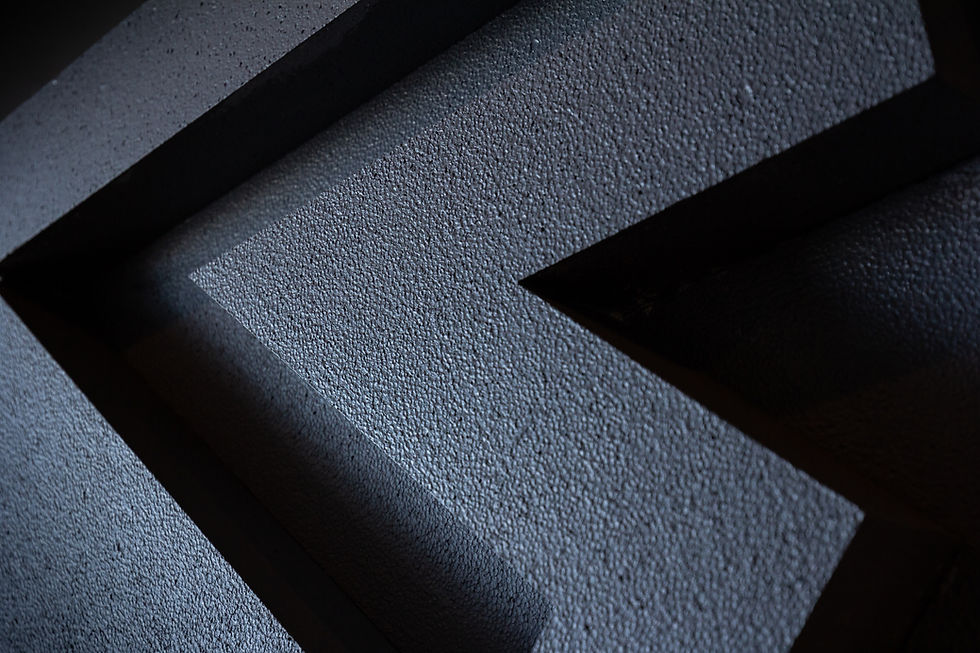
Custom-cut foam is practical, versatile, and suitable for a wide range of residential, commercial, and industrial applications. However, choosing the right type of foam involves more than simply providing length, width, and thickness. Density, firmness, durability, flexibility, and intended use all play an important role.
What Does Foam Cut to Size Mean?
Foam cut to size refers to foam that is manufactured or trimmed according to specific dimensions provided by the customer. Rather than purchasing a pre-made sheet or cushion and cutting it yourself, you can have the material prepared to suit your requirements.
A foam cut to size solution can be particularly useful when working with unusual shapes, limited spaces, replacement cushions, protective inserts, or bespoke furniture. Depending on the supplier, foam may be available in different thicknesses, densities, firmness levels, and materials.
The process is relatively straightforward. You provide the required measurements and, where necessary, the shape or template. The foam is then cut using suitable equipment to produce a more accurate result.
Why Accurate Foam Dimensions Matter
Small measurement errors can create surprisingly large problems. A cushion that is slightly too large may not fit properly inside a cover, while foam that is too small can leave unwanted gaps and reduce support.
Accurate dimensions are especially important for fitted seating, mattresses, packaging inserts, acoustic applications, and protective padding. Custom cutting helps reduce unnecessary trimming and allows the foam to work as intended.
For replacement projects, accurate measurements can also make installation much easier. Instead of spending time modifying a standard foam sheet, you receive material that is already close to the required dimensions.
Choosing the Right Type of Foam
One of the biggest advantages of ordering foam cut to size is the ability to select a material that suits the application. Not all foam performs in the same way.
Polyurethane Foam
Polyurethane foam is widely used for cushions, seating, mattresses, padding, and general-purpose applications. It is available in different densities and firmness levels, making it a flexible choice for everyday projects.
For furniture, the correct firmness can influence both comfort and how well the cushion retains its shape over time.
Memory Foam
Memory foam is designed to respond to body heat and pressure. It is commonly associated with mattresses, pillows, toppers, and comfort products.
Its pressure-relieving characteristics can make it useful when comfort is a major consideration. However, it may not be the best choice for every application, particularly where a firmer or more resilient material is required.
Closed-Cell Foam
Closed-cell foam has a different structure from many traditional open-cell foams. Its properties can make it useful for insulation, sealing, buoyancy, protection, and certain industrial applications.
It is often selected when resistance to moisture or a more robust structure is important.
Acoustic Foam
Acoustic foam is designed to help manage sound reflections within a room. It can be used in studios, offices, entertainment spaces, recording environments, and other areas where sound control is important.
The shape and thickness of acoustic foam can influence how it interacts with sound, so the application should be considered before selecting a product.
Foam for Furniture and Upholstery
Furniture is one of the most common areas where custom foam is useful. Sofas, dining chairs, benches, window seats, camper seating, and outdoor furniture may all require cushions with specific dimensions.
Over time, cushions naturally lose some of their original resilience. Instead of replacing an entire piece of furniture, replacing the foam inside the cushion can sometimes provide a practical alternative.
A foam cut to size cushion can be made to match the existing cover more closely. Before ordering, it is important to measure the cover or existing cushion carefully and consider whether the replacement foam needs to be slightly larger or smaller for the desired fit.
Firmness is equally important. A cushion intended for a dining chair may require a different feel from one used on a deep lounge sofa.
Custom Foam for Packaging and Protection
Foam is also valuable for protecting products during storage and transportation. Fragile equipment, electronics, tools, instruments, displays, and specialist components can benefit from fitted foam inserts.
Instead of placing an item inside a large box with loose packing material, a custom foam insert can hold it in a more controlled position. This can help reduce movement and provide cushioning around vulnerable areas.
Businesses handling expensive or delicate products may find foam cut to size particularly useful because the insert can be designed around the shape of the item.
For packaging applications, consider the product's weight, shape, fragility, transportation conditions, and the level of protection required before selecting the foam.
Custom Shapes for Unique Projects
Not every project requires a simple rectangle. Foam can often be cut into different shapes to accommodate unusual designs and spaces.
Custom shapes can be useful for boat seating, vehicle interiors, exhibition displays, medical or specialist equipment, protective cases, and creative projects.
When ordering shaped foam, providing an accurate template can be helpful. A detailed drawing with measurements, angles, curves, and cut-outs can reduce the possibility of misunderstandings.
If the foam needs to fit inside another component, remember to account for how the material compresses and how tightly it should fit.
How to Measure Foam Correctly
Good measurements are the foundation of a successful custom foam order. Start by measuring the length, width, and thickness of the area where the foam will be used.
Use the same unit of measurement throughout the project and record each dimension clearly. If the space has curves, angles, or irregular sections, create a template rather than relying on approximate measurements.
For cushions, measuring the cover can sometimes provide useful information because the cover represents the final space the foam needs to occupy.
It is also worth checking the supplier's measurement guidelines before placing an order. Different foam products may require slightly different allowances depending on their intended use.
The Importance of Foam Density and Firmness
Density and firmness are often confused, but they describe different characteristics.
Density generally relates to how much material is contained within a particular volume of foam. Firmness refers more directly to how the foam feels when pressure is applied.
Two pieces of foam can therefore have similar firmness but different densities. This distinction matters because the right combination can affect comfort, durability, support, and performance.
For frequently used furniture, choosing an appropriate density can be particularly important. For packaging, meanwhile, the priority may be shock absorption and protection rather than seating comfort.
This is why choosing foam cut to size should involve more than simply selecting the cheapest available material.
Where Custom-Cut Foam Can Be Used
The versatility of custom foam makes it suitable for many applications, including:
Sofa and chair cushions
Dining and office seating
Mattresses and mattress toppers
Window seats and benches
Campervan and caravan interiors
Vehicle seating
Protective packaging
Equipment cases
Acoustic treatment
Craft and DIY projects
Exhibition and display products
Industrial padding and protection
The right material depends on how the foam will be used, how much pressure it will experience, and the environment in which it will be placed.
Making a Better Foam Choice
Before ordering, think about the complete requirements of your project. Consider where the foam will be used, how frequently it will be handled or compressed, whether it will be exposed to moisture or heat, and how long you expect it to last.
It can also help to discuss your requirements with a specialist supplier. They may be able to recommend a suitable foam type, density, thickness, and firmness based on the intended application.
A good foam cut to size service should make the process straightforward, from selecting the material to confirming dimensions and arranging the final cut.
Final Thoughts
Custom-cut foam offers a practical way to solve projects where standard sizes simply do not fit. From replacing tired furniture cushions to protecting valuable products during transportation, it provides flexibility without requiring extensive DIY cutting or modification.
The key is to focus on the application first and the dimensions second. Think about comfort, support, protection, durability, moisture resistance, and the environment where the foam will be used. Once these factors are clear, selecting the appropriate foam becomes much easier.
Whether you are working on a small home project or sourcing materials for a commercial application, choosing accurately measured and appropriately specified foam can save time and deliver a better final result. With the right material and precise dimensions, custom foam can be a simple solution to a surprisingly wide range of everyday challenges.


Comments