


How to Choose a Reliable Hot Water Heater Repair Service

Updated: May 14
Ever woken up to an icy shower on a freezing Melbourne morning? Or perhaps you've noticed that strange gurgling sound coming from your water heater that just won't quit? When your hot water system decides to play up, finding the right repair service can feel overwhelming. But here's the thing—choosing the wrong tradesperson could end up costing you more in t
he long run, both in money and stress.

Your hot water system is one of those home essentials you don't think about until something goes wrong. And when it does, you need someone reliable, qualified, and quick to get things sorted. The good news? With a bit of know-how, you can find a trustworthy hot water heater repair service that'll have your system running smoothly again in no time.
In this guide, we'll walk you through everything you need to know about selecting the right repair service. From spotting warning signs that your system needs attention, to understanding different hot water system types and sizes, to knowing what questions to ask potential repairers—we've got you covered. Plus, we'll explore cost considerations, including who is eligible for government free hot water systems Victoria programs. Let's get stuck into it.
Signs Your Hot Water System Needs Professional Repair
Common Warning Signs You Shouldn't Ignore
Your hot water system typically gives you clues before it completely fails. Keep an eye out for inconsistent water temperatures—one minute scalding, the next lukewarm. Discoloured or rusty water is another red flag that something's not right internally.
Strange noises are also worth noting. Banging, popping, or rumbling sounds often indicate sediment buildup in tank electric water heater systems. Plus, if you spot water pooling around the base of your unit, you've likely got a leak that needs immediate attention.
Don't overlook higher energy bills either. A sudden spike could mean your system is working overtime to heat water, signalling efficiency problems. Addressing these issues early can save you from a complete breakdown.
When to Repair vs. When to Consider Replacement Hot Water Systems
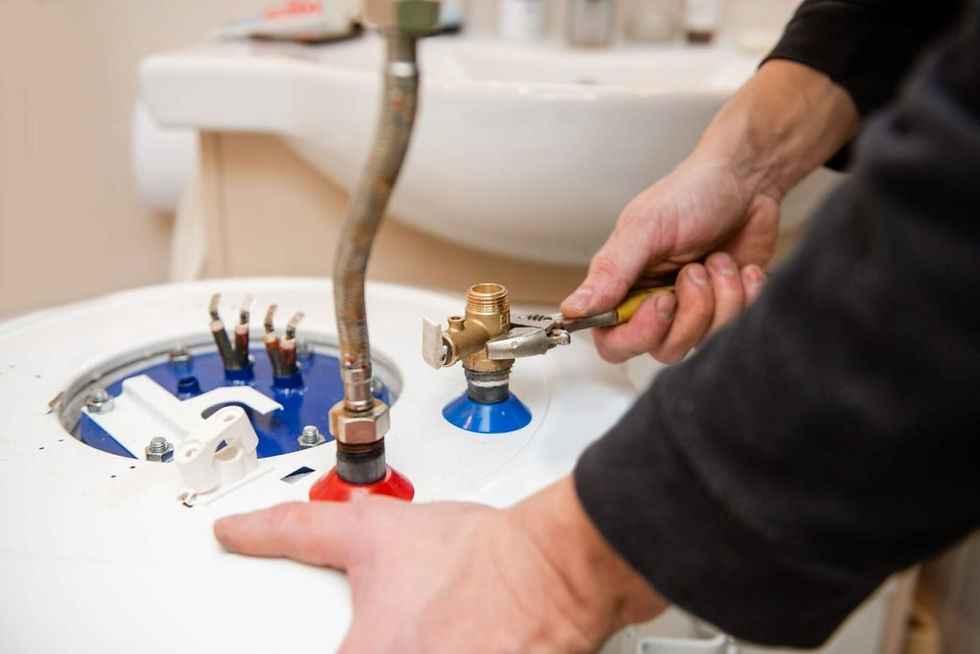
Not every problem requires a full replacement hot water system. Minor issues like faulty thermostats, heating elements, or pressure relief valves are often quick fixes. A qualified technician can usually sort these out within an hour or two.
However, if your system is over 10-15 years old and experiencing frequent problems, replacement might make more financial sense. Repeated repairs add up quickly, and older units are typically less energy-efficient than modern alternatives.

Consider the 50% rule: if repair costs exceed half the price of a new system, it's probably time to upgrade. A good repair service will give you an honest assessment rather than pushing unnecessary replacements.
What to Look for in a Reliable Hot Water Heater Repair Service
Licensing, Insurance and Qualifications
First things first—always verify that your chosen repairer holds proper licensing. In Australia, hot water system work requires qualified plumbers or electricians, depending on the type of system. Ask for their licence number and don't be shy about checking it.
Insurance is equally important. A properly insured tradesperson protects you from liability if something goes wrong during the repair. This includes both public liability and workers' compensation coverage.
Qualifications beyond basic licensing also matter. Look for technicians with specific training in hot water systems, particularly if you have a heat pump hot water system or solar setup requiring specialised knowledge.
Experience with Different Hot Water System Types
Your repairer should have hands-on experience with your specific system type. Whether you've got a hot boiler water system, heat pump, solar, or traditional electric unit, each requires different expertise.
Ask potential repairers about their experience with your system brand and model. A technician who's worked extensively with Rheem systems, for example, will diagnose problems faster than someone unfamiliar with that brand.
Versatility is valuable too. The best technicians can handle everything from a compact 125 litre hot water system to a large 315 litre hot water system, understanding the unique challenges each presents.
Local Expertise: Finding a Trusted Hot Water System Melbourne Service
Choosing a local hot water system Melbourne provider offers several advantages. They understand local water quality issues, climate considerations, and building regulations specific to Victoria.
Local businesses also tend to provide faster response times for emergencies. When you're without hot water, waiting hours for a technician from across town isn't ideal. A nearby service can often reach you within the hour.
What's more, local companies rely heavily on reputation and word-of-mouth referrals. This often translates to better customer service, as they're invested in maintaining community trust.
Response Times and Emergency Availability
Hot water emergencies don't follow business hours. Look for services offering 24/7 emergency availability, especially during winter when going without hot water simply isn't an option.
Ask about typical response times upfront. A reliable service should be able to give you a reasonable timeframe and stick to it. Vague promises of "sometime today" aren't good enough.
Also check if emergency callouts attract premium rates. While some after-hours surcharge is reasonable, excessive fees might indicate you're being taken advantage of during a vulnerable moment.
Understanding Your Hot Water System: Types and Sizes
Tank Electric Water Heater vs. Hot Boiler Water Systems
Tank electric water heaters store heated water in an insulated tank, ready for use. They're straightforward, relatively affordable to purchase, and easy to maintain. However, running costs can be higher, particularly with off-peak tariffs.
Hot boiler water systems heat water on demand or through a central boiler, which can be more energy-efficient. These systems are common in older homes and larger properties requiring substantial hot water volumes.
Each system type has distinct repair requirements. Electric tanks often face element or thermostat failures, while boiler systems might experience pump or valve issues. Understanding your system helps you communicate effectively with repairers.
Heat Pump Hot Water Systems: Cost and Considerations
Heat pump hot water systems work by extracting warmth from surrounding air, making them incredibly efficient. The heat pump hot water cost for running is typically 60-75% less than traditional electric systems—a significant saving over time.
These systems do have higher upfront costs, but government rebates can offset this substantially. Many Victorian households find the cost of heat pump hot water system installation becomes quite manageable with available incentives.
Repairs can be more complex than standard electric systems. Make sure your chosen repairer has specific heat pump experience, as these units contain refrigerant components requiring specialist handling.
What Size Hot Water System for Family of 4?
Getting the right size is crucial for comfort and efficiency. What size hot water system for family of 4 members? Generally, you'll want between 125-160 litres for continuous flow systems, or 250-315 litres for storage tanks.
This varies based on usage patterns, though. Families who all shower at similar times need larger capacity than those with staggered schedules. Consider your household's specific habits when sizing.
Popular System Sizes Explained
The 125 litre hot water system and 125l hot water system options suit smaller households—typically 1-2 people. They're compact, affordable, and perfect for apartments or units.
A 135 litre hot water system offers slightly more capacity, bridging the gap between small and medium households. Similarly, a 160l hot water system works well for 2-3 people with moderate usage.
For larger families, a 315 litre hot water system Bunnings or similar retailers stock provides ample capacity. These larger units ensure everyone enjoys hot showers without running out.
Comparing Hot Water Technologies: Which Is Right for You?
Heat Pump vs. Solar Hot Water: Pros and Cons
When comparing heat pump vs solar hot water, both offer excellent energy efficiency and environmental benefits. Heat pump hot water vs solar comes down to your specific circumstances.
Solar water heater vs heat pump considerations include roof space, orientation, and shading. Solar requires suitable roof positioning, while heat pumps work in shaded areas and don't need roof installation. Heat pump v solar hot water efficiency varies with climate—heat pumps perform better in cooler conditions.
Heat Pump vs. Gas Hot Water: Cost and Efficiency
The heat pump vs gas hot water debate centres on running costs and environmental impact. Heat pumps are significantly cheaper to run and produce fewer emissions, though gas systems heat water faster.
Gas systems have lower upfront costs but higher ongoing expenses. With rising gas prices, many households find switching to heat pumps delivers better long-term value.
Booster Hot Water Heater: Do You Need One?
A booster hot water heater supplements solar or heat pump systems during high-demand periods or cloudy weather. They ensure consistent hot water availability regardless of conditions.
Most modern solar and heat pump installations include built-in boosters. If yours doesn't, adding one provides valuable backup, especially during winter months.
Cost Considerations for Repair and Replacement
Understanding the heat pump hot water price landscape helps with budgeting. The cost of hot water heat pump systems varies widely, from $2,500 to $5,000+ depending on capacity and brand. Heat pump hot water systems cost less to run, typically saving $300-500 annually.
Installation costs add another $500-1,500. Factor in available rebates, though—many Victorian households can access significant discounts.
For those wondering who is eligible for government free hot water systems Victoria programs, eligibility typically includes concession card holders, low-income households, and those replacing inefficient systems. Check current guidelines, as criteria change periodically.
Questions to Ask Before Hiring a Hot Water Repair Service
Before committing, ask potential repairers these key questions:
- Are you licensed and insured for hot water system work?
- What experience do you have with my specific system type?
- Can you provide a written quote before starting?
- What warranty do you offer on repairs?
- How quickly can you respond to emergencies?
- Do you carry common replacement parts?
Making the Right Choice for Your Home
Choosing a reliable hot water heater repair service doesn't have to be stressful. Armed with the right knowledge, you can confidently select a qualified professional who'll get your system running efficiently again.
Remember the essentials: verify licensing and insurance, check experience with your system type, prioritise local providers for faster response times, and always get written quotes. Taking these steps protects you from dodgy operators and ensures quality workmanship.
Your hot water system is too important to trust to just anyone. Take the time to research, ask questions, and choose wisely. A good repairer becomes a valuable contact for future maintenance, potentially saving you thousands over your system's lifetime. So next time your hot water plays up, you'll know exactly what to do—and who to call.



Comments