


How to Unclog a Kitchen Sink Without Professional Help

Ever stood at your kitchen sink, watching water stubbornly refuse to drain? Maybe you've noticed that familiar gurgling sound or caught a whiff of something unpleasant rising from the plughole? You're not alone. A clogged kitchen sink is one of those household annoyances that happens to absolutely everyone, no matter how careful you are.
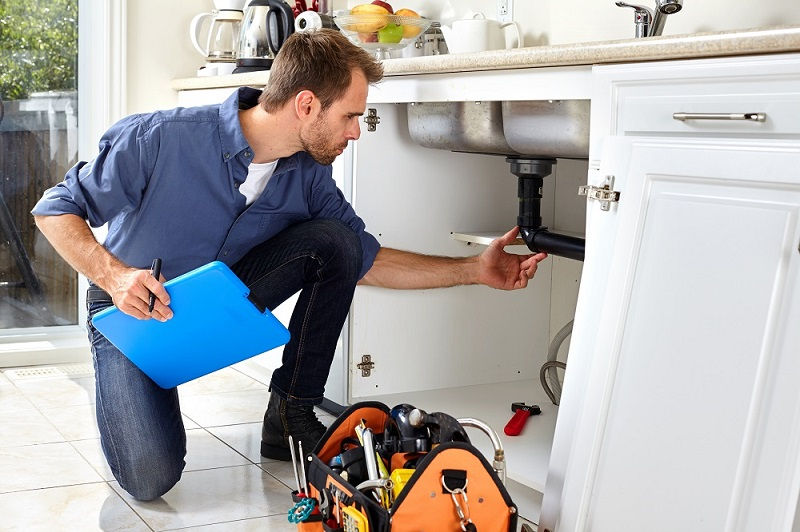
The good news? You don't need to panic or immediately reach for your phone to call a plumber. Most kitchen sink blockages are surprisingly easy to sort out yourself with a few simple techniques and basic tools you probably already have at home. Whether it's a minor slowdown or a full-on blockage with standing water, there's usually a DIY fix that'll get things flowing again.
In this guide, we'll walk you through everything you need to know about tackling a blocked kitchen sink. From spotting the early warning signs to trying out different unclogging methods, we've got you covered. Plus, we'll share some handy tips to stop blockages from happening in the first place. Let's get stuck into it and save you some money while we're at it.
Signs Your Kitchen Sink is Clogged (And Not Just Slow)
Before you start troubleshooting, it's worth knowing whether you're dealing with an actual blockage or just a slow drain. There's a difference and identifying it early can save you time and effort.
Water Pooling in the Basin
The most obvious sign is water sitting in your sink long after you've finished washing up. If you're waiting more than a few minutes for the basin to empty, something's definitely not right. A healthy drain should clear water within seconds, not minutes.
Gurgling Sounds from the Drain
Those strange gurgling or bubbling noises coming from your drain aren't your sink trying to communicate they're air bubbles trapped by a blockage. When water struggles to pass through, it pushes air around, creating those telltale sounds.
Unpleasant Odours Wafting Up
Nobody wants their kitchen smelling like a sewer. If you're catching nasty whiffs from your drain, it's a clear indicator that food debris, grease, or other gunk is building up and starting to decompose. This is your sink's way of telling you it needs attention.
What Causes a Blocked Kitchen Sink?
Understanding what causes blockages helps you prevent them in the future. Most clogs aren't random they build up over time from everyday kitchen activities.
Grease and Cooking Oil Buildup
This is the number one culprit in Australian kitchens. When you pour cooking oil or fatty liquids down the drain, they might flow easily while hot. But as they cool, they solidify and stick to your pipes like glue. Over time, this creates a thick coating that traps everything else.
Food Scraps and Debris
Even small food particles can cause big problems. Rice, pasta, and coffee grounds are particularly troublesome because they expand with water. Fibrous foods like celery or potato peelings can also tangle together and create stubborn blockages.
Soap Scum Accumulation
Dish soap mixed with hard water minerals creates soap scum that clings to pipe walls. While it might seem harmless, it gradually narrows your pipes and provides a sticky surface for other debris to latch onto.
Foreign Objects Stuck in the Drain
Sometimes things accidentally slip down the plughole small utensils, bottle caps, or even bits of broken crockery. These objects can create instant blockages or catch other debris as it passes by.
Can You Unclog a Kitchen Sink Yourself?
Absolutely! Most kitchen sink blockages can be sorted without professional help. Most clogs occur relatively close to the drain opening, making them accessible with basic tools and techniques. You don't need plumbing qualifications or expensive equipment just a bit of patience and the willingness to get your hands slightly dirty.
That said, it's important to know your limits. If you've tried multiple methods without success, or if you suspect the blockage is deep within your plumbing system, calling a professional is the sensible choice.
How to Unclog a Kitchen Sink: Step-by-Step Methods
Now for the practical stuff. Here are five proven techniques to tackle that blockage, starting with the simplest options.
The Boiling Water Technique
This is your first port of call and works brilliantly for minor grease blockages. Simply boil a full kettle, then carefully pour the boiling water directly down the drain in two or three stages. Wait a few seconds between pours to let the heat work on the grease. The hot water melts fatty deposits and flushes them away.
Using a Plunger the Right Way
Grab a cup plunger (not a flange plunger designed for toilets) and create a tight seal over the drain. If you have a double sink, block the other drain with a wet cloth. Pump vigorously for about 20 seconds, then check if water starts draining. Repeat several times if needed.
The Baking Soda and Vinegar Method
This classic combination creates a fizzing reaction that helps break down organic blockages. Pour half a cup of baking soda down the drain, followed by half a cup of white vinegar. Cover the drain and wait 15-30 minutes, then flush with boiling water. It's gentle, eco-friendly, and often surprisingly effective.
Clearing the P-Trap Manually
The P-trap is that curved pipe section under your sink. Place a bucket underneath, unscrew the connections, and remove the trap. Clean out any gunk you find, then reassemble. This method catches blockages that other techniques miss.
Using a Drain Snake or Wire Hanger
For stubborn clogs deeper in the pipe, a drain snake is your best friend. If you don't have one, straighten a wire coat hanger and create a small hook at one end. Insert it into the drain and gently work it around to break up or pull out the blockage.
How Do You Unblock a Badly Clogged Sink?
When you're dealing with a serious blockage that won't budge, you'll need to combine methods. Start with the boiling water technique, then follow up with baking soda and vinegar. After that, try plunging aggressively.
If none of this work, it's time to get under the sink and tackle the P-trap directly. Remove it, clean it thoroughly, and while it's off, use a drain snake to probe further into the pipe. Sometimes stubborn blockages require this multi-pronged approach.
For really tough situations, you might consider a commercial drain cleaner as a last resort. However, use these sparingly they contain harsh chemicals that can damage pipes over time and aren't great for the environment.
What is the Best Home Remedy for a Clogged Kitchen Sink?
The baking soda and vinegar method takes the crown for best home remedy. It's cheap, uses ingredients you likely already have in your pantry, and it's safe for your pipes and the environment. The fizzing action helps break down organic matter without the harsh chemicals found in commercial products.
For an extra boost, add a handful of salt to the baking soda before pouring in the vinegar. The salt adds mild abrasive action that helps scrub the pipe walls.
How to Unclog a Kitchen Sink with Standing Water
Standing water adds an extra challenge because you can't pour anything directly into the drain. First, remove as much water as possible using a cup or small container. Once the water level is low enough, try plunging the water actually helps create better suction.
If plunging doesn't work, you'll need to go straight to removing the P-trap. Just make sure you have a bucket ready to catch all that standing water when you disconnect the pipes.
Tools You'll Need to Unclog a Sink at Home
Having the right tools makes the job much easier. Keep these items handy:
- Cup plunger
- Bucket
- Rubber gloves
- Adjustable wrench or pliers
- Drain snake or wire coat hanger
- Baking soda and white vinegar
- Torch for seeing under the sink
How to Prevent Kitchen Sink Blockages in the Future
Prevention is always better than cure. A few simple habits can keep your drains flowing freely for years.
Proper Grease Disposal Habits
Never pour cooking oil or grease down the drain. Instead, let it cool and solidify, then scrape it into your bin. For larger amounts, keep an old jar to collect grease for proper disposal.
Using Sink Strainers Effectively
A cheap mesh strainer catches food scraps before they enter your drain. Clean it out after each use it takes seconds and prevents countless blockages.
Regular Maintenance Tips
Once a week, flush your drain with boiling water. Monthly, use the baking soda and vinegar treatment as preventative maintenance. These simple routines keep buildup from becoming a problem.
When Should You Call a Plumber?
Sometimes DIY isn't enough. Call a professional if the blockage keeps returning despite your efforts, if multiple drains in your home are blocked simultaneously, or if you notice water backing up in unusual places. These signs might indicate a problem deeper in your plumbing system that requires professional equipment and expertise.
Keeping Your Kitchen Sink Flowing Freely
Dealing with a clogged kitchen sink doesn’t have to be stressful or expensive. As we’ve explored, most blockages are caused by everyday culprits like grease, food scraps, and soap buildup and they’re usually fixable with simple techniques you can do yourself.
The key takeaway? Start with the gentlest methods like boiling water and work your way up to more hands-on approaches like cleaning the P-trap. Keep basic tools handy, and don’t underestimate the power of regular maintenance to prevent problems before they start.
However, if the issue persists or becomes more severe, it may be time to seek professional help for Blocked Drains Sorrento, ensuring the problem is resolved quickly and effectively before it leads to bigger plumbing concerns.
So next time your sink starts draining slowly or making strange noises, you’ll know exactly what to do. Give these methods a try before reaching for your phone you might just surprise yourself with your newfound plumbing skills. Your wallet will thank you, and there’s something genuinely satisfying about fixing things yourself. Happy unclogging!


Comments