


Step-by-Step Installation of Modern Alarm Systems for Enhanced Security

Updated: May 14
Are you worried about keeping your family and belongings safe in Carrum Downs? Have you noticed more reports of break-ins in suburban Melbourne areas lately? Perhaps you've been putting off upgrading your home security because the whole process seems overwhelming?
You're definitely not alone. Home security has become a hot topic for Australian families, and for good reason. With property crime rates fluctuating across Victoria, more homeowners are taking proactive steps to protect what matters most. Modern alarm systems have come a long way from the clunky, complicated setups of the past. Today's options are smarter, more affordable, and surprisingly easy to install.
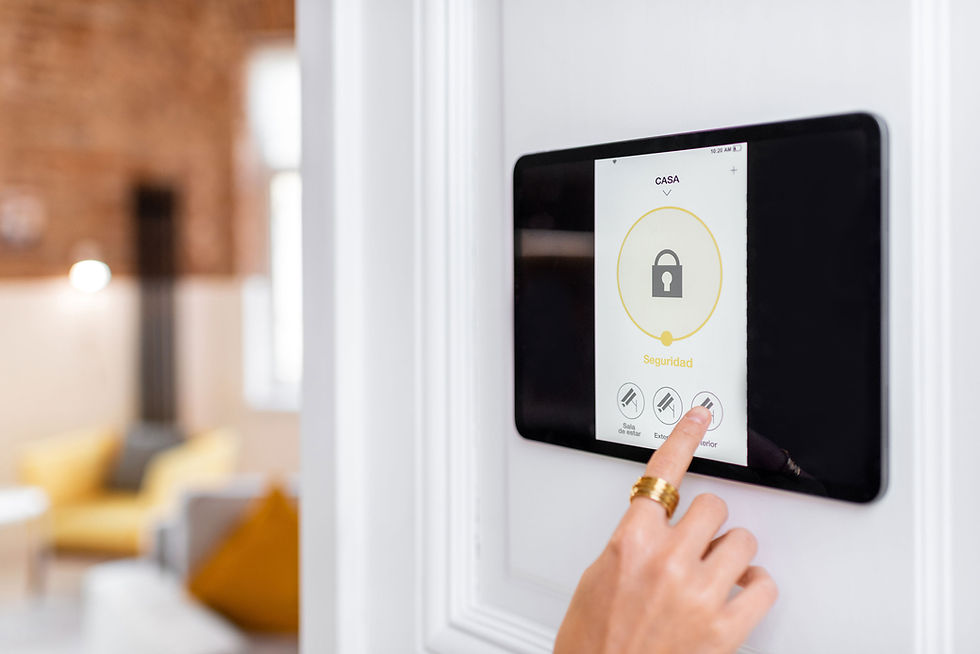
In this guide, we'll walk you through everything you need to know about installing a modern alarm system in your Carrum Downs home. From understanding the different types available to a complete step-by-step installation process, you'll find all the information you need to make an informed decision. We'll also cover costs, local regulations, and whether you should tackle installation yourself or bring in the professionals. Let's get started on making your home a safer place.
Understanding Modern Alarm Systems
What Are the Different Types of Alarm Systems Available?
When it comes to alarm systems in Carrum Downs, you've got more choices than ever before. The three main categories include monitored systems, unmonitored systems, and smart home security setups. Monitored systems connect to a professional monitoring centre that responds to alerts around the clock. Unmonitored systems rely on loud sirens and notifications to your phone.
Smart home security systems have become incredibly popular in Australian homes. These connect to your WiFi and let you control everything from your smartphone. You can check cameras, arm or disarm the system, and receive instant alerts wherever you are. Many homeowners love the flexibility these systems offer.
Wired vs Wireless Alarm Systems: Which Is Better for Australian Homes?
This question comes up constantly, and honestly, both options have their merits. Wired systems are incredibly reliable since they don't depend on batteries or WiFi signals. They're ideal for new builds where you can run cables during construction. However, installation is more complex and often requires professional help.
Wireless systems shine when it comes to flexibility and ease of installation. They're perfect for existing homes where running cables would be a nightmare. Plus, you can easily expand them by adding more sensors over time. The main consideration is keeping batteries charged and maintaining a stable internet connection for smart features.
Key Components of a Modern Home Security System
A thorough alarm system typically includes several essential components working together. The control panel acts as the brain of your system, processing signals from all your sensors. Door and window sensors detect when entry points are opened, while motion detectors pick up movement inside your home.
Security cameras add visual verification to your setup, letting you see exactly what's happening. Many systems also include glass break sensors, smoke detectors, and outdoor sensors for perimeter protection. Don't forget about keypads or smartphone apps for arming and disarming your system easily.
Planning Your Alarm System Installation
Assessing Your Property's Security Needs
Before purchasing any equipment, take a good walk around your property. Note all entry points, including doors, windows, and any vulnerable areas like side gates or garage doors. Consider which rooms contain valuables and where intruders might try to enter.
Think about your daily routines too. How do family members come and go? Do you have pets that might trigger motion sensors? Understanding these patterns helps you design a system that works with your lifestyle rather than against it.
How Much Does It Cost to Install an Alarm System in Australia?
Budget is always a consideration, so let's talk numbers. Basic DIY wireless systems start around $200-$500 for entry-level protection. Mid-range systems with cameras and smart features typically run between $500-$1,500. Premium professionally installed systems can cost $2,000-$5,000 or more.
Don't forget ongoing costs like monitoring services, which range from $20-$60 monthly depending on the level of service. Some insurance companies offer discounts for monitored alarm systems, potentially offsetting these costs over time.
Choosing the Right Alarm System for Your Carrum Downs Home
Your ideal system depends on your specific situation. For apartments or rental properties, wireless systems with minimal installation requirements make the most sense. Larger family homes benefit from extensive sensor coverage and multiple cameras.
Consider future expansion possibilities too. Starting with a scalable system means you can add components as your budget allows or security needs change.
Step-by-Step Installation Guide
Step 1: Mapping Out Sensor and Camera Placement
Grab a floor plan of your home or sketch one out. Mark every door and window, prioritising ground-floor entry points. Identify spots for motion detectors in hallways and main living areas. Choose camera locations that cover driveways, front doors, and back gardens.
Step 2: Installing the Main Control Panel
Position your control panel in a central location, ideally near your main entry point. It should be easily accessible for arming and disarming but not immediately visible to anyone peering through windows. Follow manufacturer instructions for mounting and powering up the unit.
Step 3: Setting Up Door and Window Sensors
These sensors consist of two parts that must align when the door or window closes. Clean the surfaces thoroughly before applying adhesive. Test each sensor before moving to the next one.
Step 4: Positioning Motion Detectors for Maximum Coverage
Mount motion detectors in corners for the widest coverage angle. Keep them away from heat sources like radiators or direct sunlight, which can cause false alarms. If you have pets, look for pet-immune sensors or adjust sensitivity settings accordingly.
Step 5: Installing Security Cameras and Outdoor Sensors
Position outdoor cameras high enough to prevent tampering but angled to capture faces clearly. Make sure they're weatherproof and rated for Australian conditions. Outdoor sensors along pathways or near gates provide early warning of approaching visitors.
Step 6: Connecting Your System to Smart Home Devices
Download your system's app and follow the setup wizard. Connect to your home WiFi and test remote access from outside your network. Integrate with voice assistants or other smart home devices if supported.
Step 7: Testing and Troubleshooting Your New System
Test every single sensor and camera systematically. Walk through your home triggering motion detectors and opening doors and windows. Check that alerts reach your phone and that any monitoring service receives signals correctly.
DIY Installation vs Professional Installation
Can I Install a Home Alarm System Myself?
Absolutely, many modern systems are designed specifically for DIY installation. If you're comfortable with basic tools and following instructions, you can likely handle a wireless system. The key is patience and thorough testing.
However, be honest about your skill level. Poor installation leads to false alarms, gaps in coverage, or systems that simply don't work when you need them most.
Benefits of Hiring a Professional Installer in Carrum Downs
Local professionals understand the specific security challenges in the Carrum Downs area. They can recommend optimal sensor placement based on experience with similar properties. Plus, you'll typically receive warranties on both equipment and installation work.
Professional installers also handle any permits or compliance requirements, taking that stress off your shoulders entirely.
Maximising Your Alarm System's Effectiveness
How Do I Maintain My Home Alarm System?
Regular maintenance keeps your system performing reliably. Test sensors monthly, replace batteries annually, and clean camera lenses periodically. Update firmware and app software whenever new versions become available.
Common Installation Mistakes to Avoid
Don't place motion sensors facing windows where passing traffic might trigger false alarms. Avoid mounting sensors near air conditioning vents or heating ducts. Always test your system thoroughly before relying on it.
Integrating Monitoring Services for 24/7 Protection
Professional monitoring adds another layer of security. When an alarm triggers, trained operators verify the threat and contact emergency services if needed. This proves particularly valuable when you're travelling or unable to respond to alerts yourself.
Local Considerations for Carrum Downs Residents
Understanding Local Security Regulations and Permits
Check with Frankston City Council regarding any requirements for external security equipment. Some estates have specific guidelines about visible cameras or alarm boxes. Most residential installations don't require permits, but it's worth confirming.
Do Alarm Systems Actually Deter Burglars in Suburban Areas?
Research consistently shows that visible alarm systems do deter opportunistic burglars. Criminals typically look for easy targets, and homes with obvious security measures are far less appealing. Combining alarm systems with good lighting and secure locks creates multiple layers of protection.
Taking the Next Step Towards a Safer Home
Installing a modern alarm system in your Carrum Downs home doesn't have to be complicated or expensive. Whether you choose a simple DIY setup or opt for professional installation, the peace of mind you'll gain is priceless. The technology available today makes protecting your family more accessible than ever before.
Remember, the best security system is one that fits your specific needs and lifestyle. Take time to assess your property, understand your options, and plan your installation carefully. Don't rush the process or cut corners on quality components.
Your home should be your sanctuary, a place where you feel completely safe and secure. By following this guide and acting today, you're making a smart investment in your family's safety. Whether you're upgrading an existing system or starting from scratch, you've now got the knowledge to make it happen. Here's to a safer, more secure home in Carrum Downs.


Comments