


How to Choose the Right Clear Polycarbonate Sheet for Your Project

Choosing the right material can make or break a project. Whether you’re building a patio cover, upgrading a greenhouse, installing safety glazing, or working on a commercial fit-out, transparency, durability, and performance all matter. That’s where polycarbonate stands out. Known for its strength, versatility, and clarity, this material has become a popular alternative to traditional glass across residential, commercial, and industrial applications.
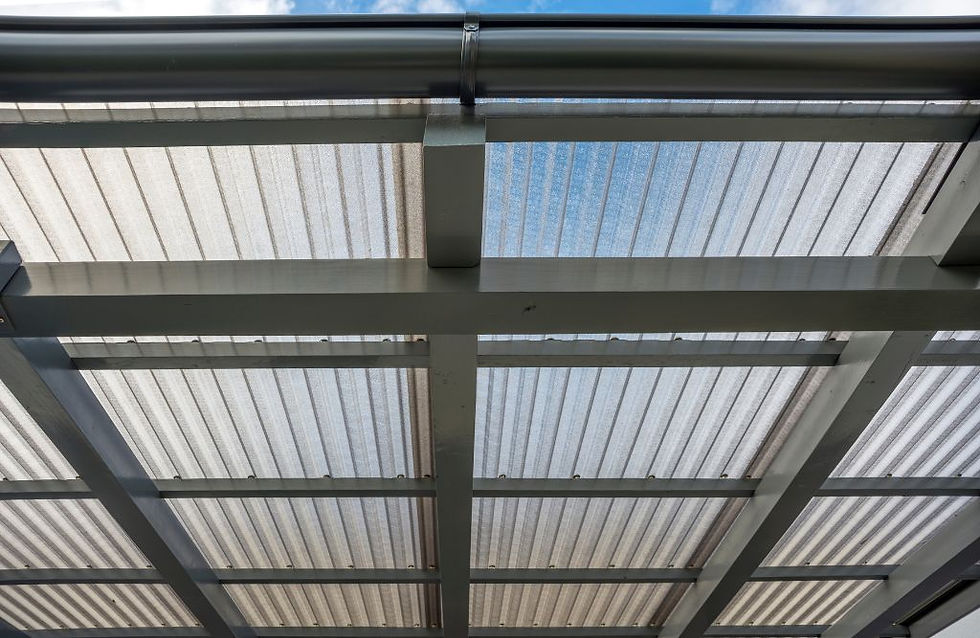
However, not all options are the same. Thickness, UV protection, impact resistance, and intended use all play a role in making the right choice. This guide will walk you through everything you need to know—step by step—so you can confidently select the ideal clear polycarbonate sheet for your specific project needs.
Understanding What Polycarbonate Is
Polycarbonate is a high-performance thermoplastic known for being lightweight yet extremely strong. In fact, it’s often described as virtually unbreakable under normal conditions. Unlike acrylic or glass, polycarbonate can absorb significant impact without cracking or shattering, making it a safer option in many environments.
When clarity is important—such as in skylights, windows, or protective barriers—a clear polycarbonate sheet offers excellent light transmission while maintaining superior toughness. It combines transparency with resilience, which is why it’s widely used in construction, signage, safety screens, and architectural design.
Identify the Purpose of Your Project
The first step in choosing the right sheet is understanding how it will be used. Ask yourself a few key questions:
Will the sheet be used indoors or outdoors?
Does it need to withstand impact or heavy loads?
Is UV protection important?
Will it be exposed to heat, moisture, or chemicals?
For example, a greenhouse roof requires high light transmission and UV resistance, while a machine guard prioritises impact resistance and safety. Matching the material’s properties to your project’s demands ensures long-term performance and value.
Choosing the Right Thickness
Thickness is one of the most important factors when selecting polycarbonate. Sheets are available in a range of thicknesses, typically from 2mm up to 12mm or more.
Thin sheets (2–3mm): Ideal for lightweight applications like signs, display panels, or indoor partitions.
Medium thickness (4–6mm): Suitable for skylights, pergolas, and DIY projects where moderate strength is needed.
Thicker sheets (8–12mm+): Best for roofing, safety glazing, and areas exposed to high impact or wind loads.
A thicker clear polycarbonate sheet provides greater rigidity and insulation, but it may also increase cost. Always balance strength requirements with budget and installation considerations.
Consider UV Protection and Weather Resistance
If your project is outdoors, UV protection is non-negotiable. Prolonged exposure to sunlight can cause some plastics to yellow, weaken, or become brittle over time. High-quality polycarbonate sheets are often UV-stabilised on one or both sides to prevent this degradation.

Look for sheets designed specifically for outdoor use. These maintain clarity, resist weathering, and perform well in harsh conditions. A UV-protected clear polycarbonate sheet is ideal for carports, patios, pool enclosures, and outdoor screens where longevity matters.
Light Transmission and Optical Clarity
One of the biggest advantages of polycarbonate is its ability to transmit light effectively. Clear sheets can allow up to 90% of visible light to pass through, depending on thickness and coating.
If natural light is a priority—such as in greenhouses, sunrooms, or skylights—opt for a sheet with high optical clarity. At the same time, consider whether glare reduction or heat control is important. Some sheets come with coatings that diffuse light or reduce heat buildup without sacrificing brightness.
Impact Resistance and Safety Needs
Polycarbonate is renowned for its impact resistance, making it significantly stronger than glass or acrylic. This makes it an excellent choice for environments where safety is critical.
Common safety-focused applications include:
Protective barriers and screens
Security windows
Machine guards
Sports facilities and public buildings
In these settings, a clear polycarbonate sheet offers peace of mind by reducing the risk of injury from breakage while still providing visibility and a clean appearance.
Ease of Fabrication and Installation
Another major advantage of polycarbonate is its workability. It can be cut, drilled, and shaped using standard tools, making installation easier for both professionals and DIY users.
Before purchasing, consider:
Can the sheet be cold-bent for curved applications?
Does it need to be pre-drilled for fixing?
Will thermal expansion be an issue?
Polycarbonate expands and contracts with temperature changes, so proper allowance during installation is essential. Choosing the right thickness and fixing method ensures your clear polycarbonate sheet performs well without warping or cracking.
Fire Performance and Compliance
For commercial or industrial projects, fire performance may be a key consideration. Many polycarbonate sheets are self-extinguishing and meet various fire safety standards.
If your project requires compliance with building codes or safety regulations, check the fire rating and certification of the material. This is especially important in public spaces, offices, and industrial facilities where safety standards are strictly enforced.
Cost vs Long-Term Value
While polycarbonate can be more expensive upfront than some alternatives, it often delivers better long-term value. Its durability, low maintenance requirements, and long lifespan mean fewer replacements and repairs over time.
When comparing options, don’t just look at the initial price. Factor in:
Expected lifespan
Maintenance costs
Energy efficiency (especially for roofing or glazing)
Safety and performance benefits
Investing in a high-quality clear polycarbonate sheet can save money and hassle in the long run.
Common Applications to Guide Your Choice
Understanding where and how polycarbonate is commonly used can help you visualise what works best for your project:
Residential: Patio covers, pergolas, skylights, balcony screens
Commercial: Shopfront glazing, office partitions, signage
Industrial: Safety guards, machine covers, protective enclosures
Agricultural: Greenhouses, sheds, roofing panels
Each application places different demands on the material, reinforcing the importance of choosing the right specifications.
Final Thoughts: Making the Right Decision
Selecting the right polycarbonate sheet isn’t just about transparency—it’s about performance, safety, and suitability for your specific project. By considering thickness, UV protection, light transmission, impact resistance, and installation requirements, you can make an informed choice that delivers lasting results.
A well-chosen clear polycarbonate sheet offers the perfect balance of strength and clarity, making it a smart, versatile solution for a wide range of applications. Take the time to assess your needs, compare options carefully, and you’ll end up with a material that not only looks great but performs reliably for years to come.


Comments